
Feasterville, Pennsylvania, United States, 30th Oct 2026 - Construction projects often involve several specialized trades, including electricians, plumbers, carpenters, painters, and flooring installers. Coordinating these professionals requires careful planning, communication, and scheduling to keep work organized. General contracting involves overseeing different aspects of a construction project, including coordinating subcontractors, managing timelines, and monitoring progress. Understanding how general contractors manage multiple trades can help property owners make informed decisions when planning renovations, additions, or other construction work.
A general contractor typically serves as the central point of contact between the property owner and the various professionals working on a project. By coordinating responsibilities and maintaining communication, the contractor helps ensure that different stages of construction follow an organized sequence. This approach can reduce scheduling conflicts and make project management more straightforward.
What Does Managing Multiple Trades Involve?
Managing multiple trades means coordinating professionals who perform different types of construction work. Each trade has specific responsibilities, equipment, and scheduling requirements that must align with the overall project plan.
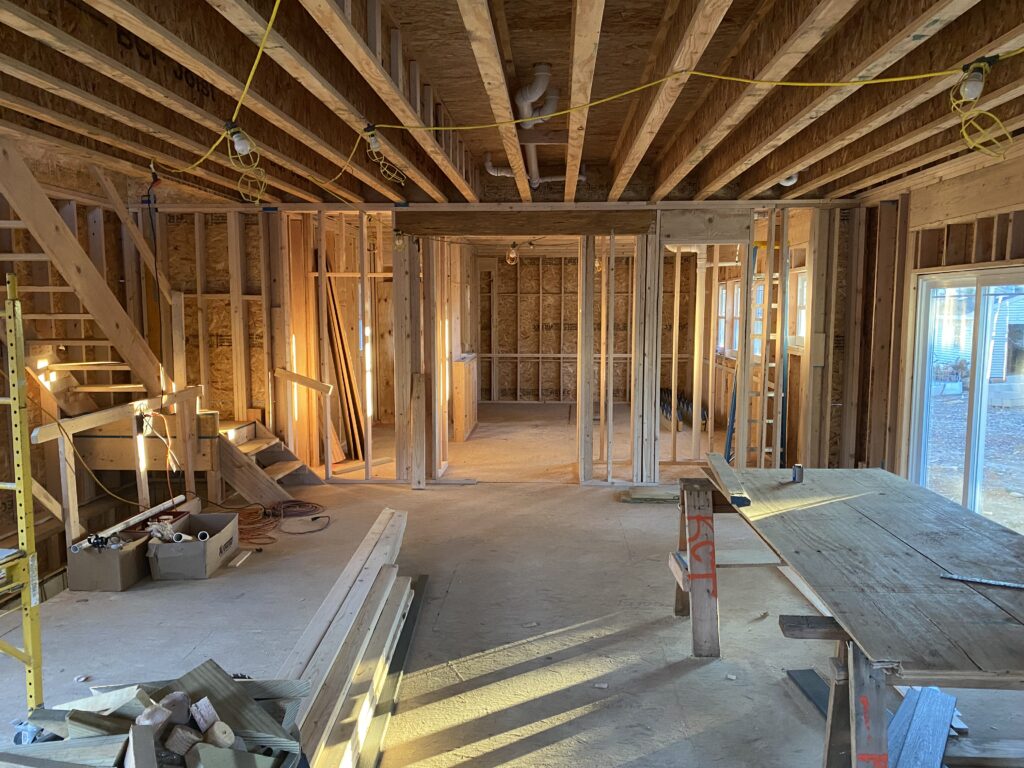
For example, plumbing and electrical installations may need to happen before walls are closed, while painting and flooring typically occur during later stages. A general contractor coordinates these activities to help prevent work from being delayed or repeated unnecessarily. Clear responsibilities and organized communication help each professional understand when to begin and how their work connects with other tasks.
How Do General Contractors Coordinate Subcontractors?
General contractors commonly work with subcontractors who specialize in particular construction services. Depending on the project, these professionals may include electricians, plumbers, roofers, drywall installers, and other skilled tradespeople.
The contractor communicates project requirements, confirms responsibilities, and coordinates when each subcontractor should be on-site. This helps reduce confusion about who is responsible for specific tasks and when those tasks must be completed. Regular communication also allows the contractor to address questions and coordinate adjustments when project conditions change.
Why Is Scheduling Important in Construction?
Construction schedules help organize work in a logical order. Some tasks depend on the completion of earlier activities, making timing an important part of coordinating multiple trades.
For instance, framing generally needs to be completed before certain electrical and plumbing work can proceed efficiently. Inspections may also be necessary before additional construction stages begin. A general contractor monitors progress and adjusts the schedule when delays or unexpected issues arise. Although schedules cannot eliminate every disruption, careful planning can help reduce avoidable conflicts between trades.
How Do Contractors Prevent Trade Conflicts?
Trade conflicts can occur when professionals need the same workspace, when one task interferes with another, or when project details are unclear. These issues may lead to delays, additional labor, or the need to redo completed work.
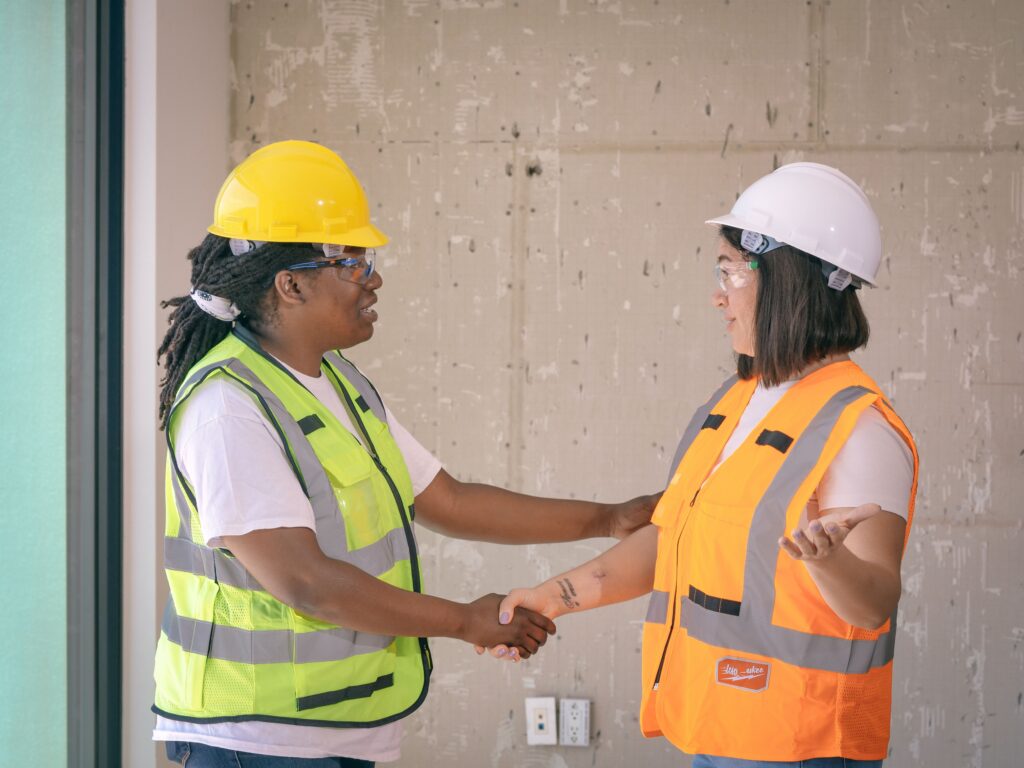
Contractors help prevent conflicts by reviewing the project scope, coordinating work sequences, and communicating expectations before activities begin. They may also arrange site meetings to discuss access, materials, and upcoming tasks. When a conflict occurs, the contractor can work with the affected professionals to identify a practical solution that supports the overall construction plan.
How Is Construction Quality Monitored?
Quality monitoring involves checking whether completed work follows the project plans, applicable requirements, and agreed specifications. Because different trades handle different parts of a project, coordination is important for identifying problems that could affect subsequent work.
A general contractor may review progress, communicate concerns to subcontractors, and arrange for corrections when necessary. Certain installations may also require inspections by qualified professionals or local authorities. Responsibilities vary according to the contract and applicable regulations, so property owners should understand who handles each inspection and approval.
What Role Does Communication Play?
Effective communication keeps property owners, contractors, and subcontractors informed about project progress. Without clear communication, professionals may work from different assumptions about measurements, materials, deadlines, or design changes.
General contractors often serve as the main communication link for scheduling updates, questions, and changes to the work. They can explain how one trade’s progress affects another and notify relevant parties when decisions are needed. Property owners can support this process by communicating their preferences early and reviewing proposed changes before work proceeds.
How Do Contractors Manage Materials and Deliveries?
Materials must arrive when they are needed and be available in suitable quantities. Poor delivery coordination can leave subcontractors waiting for supplies or create storage problems at the construction site.
A general contractor may coordinate ordering schedules, delivery dates, and material availability with suppliers and subcontractors. Planning also involves considering site access, storage space, and the sequence of construction activities. The specific purchasing responsibilities depend on the contract, so property owners should clarify which materials the contractor will obtain and which they must supply themselves.

What Happens When Unexpected Problems Arise?
Construction projects can encounter hidden damage, material shortages, weather disruptions, or changes requested by the property owner. These situations may affect multiple trades and require adjustments to the original schedule.
A general contractor helps assess the issue, communicate its impact, and coordinate the next steps with the relevant professionals. Depending on the situation, the project may require revised plans, additional approvals, or an updated budget. Property owners should request clear explanations of proposed changes, associated costs, and potential delays before authorizing additional work.
How Can Property Owners Choose the Right Contractor?
Property owners should evaluate a contractor’s experience with similar projects, communication practices, and approach to subcontractor coordination. Asking how the contractor manages schedules, handles changes, and monitors quality can provide useful insight into their working process.
It is also helpful to review the written contract, payment terms, project scope, insurance information, and applicable licensing requirements. References from previous clients may offer additional context about communication and project organization. A clear agreement outlining responsibilities and expectations helps both parties understand how the work will be managed.
Frequently Asked Questions
Can one general contractor manage several trades?
Yes, a general contractor can coordinate multiple subcontractors and specialized trades on the same project. The number of trades involved depends on the project’s size, complexity, and available resources.
Does hiring a general contractor eliminate construction delays?
No, unexpected conditions, weather, supply issues, and inspection requirements can still cause delays. Careful scheduling and communication can help reduce preventable disruptions.
Who hires the subcontractors?
The general contractor often hires and coordinates subcontractors, depending on the contract. In some projects, the property owner may hire certain specialists directly.
How does a general contractor track project progress?
Contractors may use schedules, site visits, progress updates, and communication with subcontractors. The methods used depend on the project’s scope and management requirements.
Should a property owner communicate with every trade?
Usually, the general contractor serves as the main point of contact when the contract assigns coordination responsibilities to them. Property owners should clarify communication procedures at the beginning of the project.
Conclusion
General contractors can manage multiple trades by coordinating subcontractors, organizing schedules, monitoring work quality, and maintaining clear communication throughout a construction project. Their role helps connect individual tasks into a structured process, allowing different professionals to complete their work in the appropriate sequence. Effective coordination can also help address scheduling conflicts, material concerns, and unexpected changes before they create larger problems.
However, successful project management depends on the project’s complexity, the contractor’s resources, the quality of communication, and clearly defined responsibilities. Property owners should review contracts, confirm applicable licensing and insurance requirements, and discuss expectations before construction begins. Understanding how general contracting works makes it easier to evaluate whether a contractor’s management approach fits the needs of a renovation, addition, or other building project.
Planning a Construction Project in Feasterville?
Thomas General Contracting can be a point of contact for discussing your construction project in Feasterville. Whether you are planning an improvement or considering a larger project, start by outlining your goals, the work involved, and the coordination your project may require.
Contact Thomas General Contracting at 215-703-8324 to discuss your project and ask about the next steps. A conversation about the project scope, scheduling expectations, and responsibilities can help you determine how to move forward.
Thomas General Contracting
+12673125728
Media Contact
Organization: Thomas General Contracting
Contact Person: Thomas General Contracting
Website: https://thomasgeneral.com/
Email: Send Email
Contact Number: +12673125728
Address: 70 Irving Pl, Feasterville-Trevose, PA 19053, United States
Address 2: 5X3W+52 Feasterville, Pennsylvania, USA
City: Feasterville
State: Pennsylvania
Country: United States
Release id: 50341
View source version on King Newswire:
Can General Contractors Manage Multiple Trades